
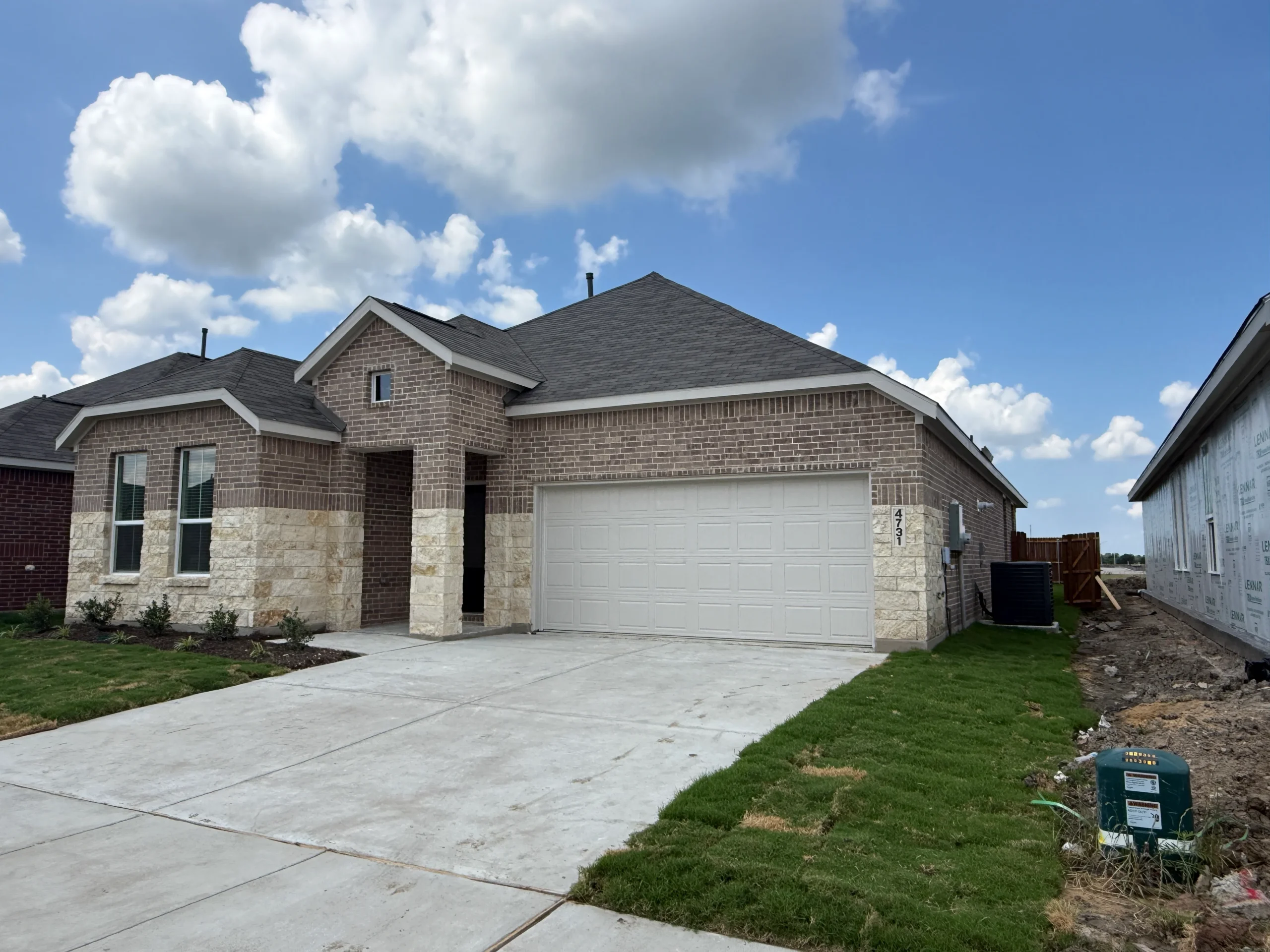
It is common for many property transactions to not only include the analysis of the asking price of a piece of property as well as the physical location of the property as well as its appearance. Buyers, lenders, property owners, and other involved parties within real estate transactions could require insight into whether the property requires anything prior to engaging in a transaction, obtaining financing, renovations, and so forth.
There are some FHA property reviews that will have certain things to consider when it comes to the proper documentation process. Observations will help all involved parties know the current condition of the property and whether further work and documentation should be done.
Significance of Documenting Properties Relevant to FHA
Documentation of properties gives an account of the condition prevailing at a specific time. Without proper documentation, it may become difficult to document and convey certain facts about the transaction.
Documentation of inspection will give an account of the conditions that can be supported by photographs. These conditions can then be compared against property documents and maintenance documents.
Role of FHA Compliance Professionals
Observation and documentation require keen observation and proper communication skills. FHA Compliance professionals can help in property inspection and documentation.
This may prove helpful in creating a comprehensive account of property conditions. This may prove especially useful in situations where the reports are required to be reviewed by different stakeholders who had no part in the inspection process.
Presenting the Findings in an Understandable Way
The report of inspection must be in such a way that it does not leave room for assumptions regarding what has been observed. The descriptions will indicate the location, condition, and any other detail which will serve as a contextual clue.
Pictures could also be helpful if they add some validity to the description of the condition being described.
Reviewing the Components of Accessible Properties
The components that will be checked during an inspection will vary depending on the nature of the service. Accessible exterior and interior components can be observed for possible defects that might influence the evaluation of the property.
Some of the exterior components that can be observed include roofing components, drainage systems, windows, doors, walkways, among others. Interior components can include walls, ceiling, floor, doors, windows, fixtures, and systems.
Identifying Conditions for Further Investigation

It is not possible to evaluate all conditions through visual inspection alone. There will be certain findings that suggest the need for a specialized investigation.
For instance, a condition relating to any structural element might call for investigation by a certified structural inspector, while a problem with electricity might necessitate an investigation by a licensed electrician. This is done in order to keep such further investigations distinct from the initial visual inspection process.
The Importance of Consistency in Reporting
Consistency will make the reporting process easy and enable one to compare reports. Through consistency, one will be able to present his or her findings in a structured way without having them in long explanations.
It is important especially if more than one property is involved. The owners, lenders, or other experts have to look at documents and find areas where they require more attention.
Preparing a Property for an Inspection
Owners and managers of the property may assist in conducting an effective inspection by providing easy access to those parts of the property where inspection is required. Removal of any unnecessary hindrances in the inspection area will enable the inspector to inspect the parts within the agreed-upon scope easily.
Information regarding any repair work or problems related to the property can be provided as it will help the inspector understand the property better.
Reviewing Findings After the Inspection
After an inspection report has been prepared, the concerned parties can then analyze the results and raise queries regarding any information that needs further probing. While some observations might be related to standard maintenance procedures, others might need the attention of experts.
It is necessary to first analyze the findings before carrying out any repair works, in order to ensure that one does not make any presumptions regarding the problem.
Property Compliance Documentation and Property Planning
Property compliance documentation is something that can serve a purpose outside one transaction. The owner might use the information from the inspection for property maintenance, renovation, or other types of work on the property.
Organizing the documentation makes it easier to conduct the review next time. Having the documentation from previous inspections provides a clear picture of what was done before.
Conclusion
Property inspections and documentation associated with FHA may offer helpful information to buyers, owners, lenders, and others interested in making property decisions. Good documentation will aid in communicating the observed state and serve as a record that may be consulted once the inspection process is over.
Professional inspection services will also be helpful in sorting out documentation from the need for specialized evaluation. With properly kept reports and documents relating to the property, decision-makers will have better information about the documented condition of the building.