
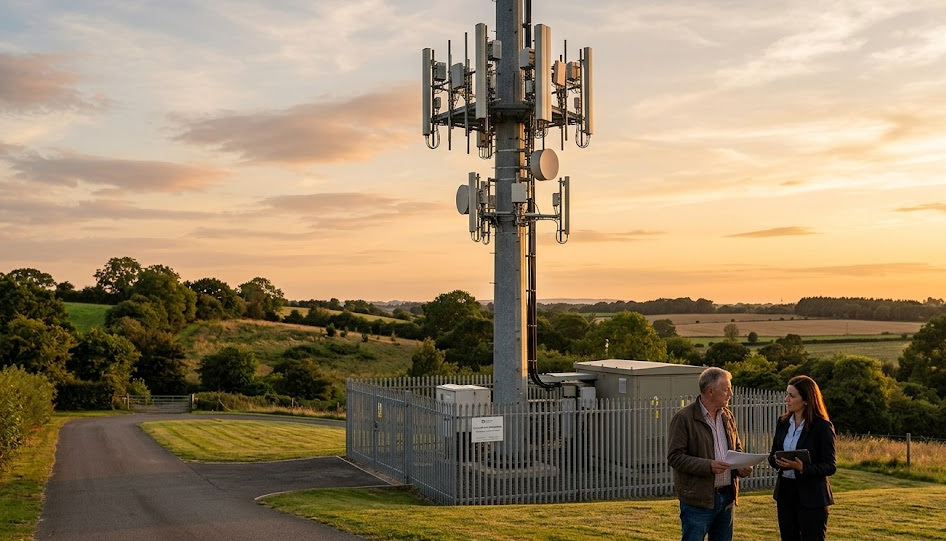
Owning property with telecom equipment can be more profitable than you think, but many owners fail to recognize the true earning potential of Cell Tower Leases, which often results in missed financial opportunities. These agreements are not just about collecting rent; they are valuable assets that can be optimized, renegotiated, or even sold for a significant amount, and understanding how they work can help you make smarter decisions and unlock higher returns.
Understanding Cell Tower Leases
Cell tower leases are long-term agreements where telecom companies install equipment on private land in exchange for monthly payments, and these contracts often include renewal options that can extend for decades, making them a stable source of income. However, the terms are usually complex and written to benefit telecom providers, including clauses related to rent increases, renewals, and usage rights, which can greatly impact how much you actually earn over time if not properly reviewed and understood.
Why Cell Tower Leases Are a Smart Investment
Cell tower leases are considered strong financial assets because they provide reliable and consistent income over a long period, and since telecom companies depend on these towers to deliver network coverage, they are unlikely to give up these locations easily. As mobile usage continues to grow and data demand increases, the need for tower infrastructure keeps rising, which strengthens the value of these leases, and with limited land suitable for tower installations, property owners often hold a powerful position in negotiations, especially in high-demand areas.
Mistakes That Can Cost You Money
Many property owners unknowingly lose money because they do not fully understand their lease agreements or the market value of their property, which can lead to poor financial decisions. Accepting the first offer without negotiation, ignoring opportunities to improve lease terms, or selling at a lower price than the market rate are common issues, and since telecom companies usually have experienced professionals handling negotiations, property owners can easily end up with less favorable agreements if they do not take a strategic approach.
Ways to Maximize Lease Value
Understand Your Lease Terms
Taking the time to carefully review your lease agreement can reveal important details about rent increases, renewal options, and restrictions, which can help you identify areas where you can improve your earnings and negotiate better terms.
Renegotiate When Possible
Renegotiating your lease can significantly increase your monthly income, especially if market conditions have changed since the original agreement was signed, and property owners who stay informed are more likely to secure better deals.
Seek Professional Guidance
Working with experienced advisors can help you navigate complex lease agreements and ensure that you are getting the best possible value, as they understand industry standards and negotiation strategies that most property owners are not familiar with.
Consider Selling Your Lease
Selling your lease can provide a large lump sum payment, which may be beneficial if you prefer immediate financial returns or want to invest in other opportunities, making it an option worth exploring depending on your goals.

Holding vs Selling: What’s Right for You
Deciding whether to hold or sell your lease depends on your financial situation and long-term plans, as holding the lease allows you to enjoy steady monthly income and potential future increases, while selling gives you immediate access to a large amount of money and removes long-term uncertainty, so it is important to evaluate your priorities before making a decision.
Why Expert Help Matters
Telecom lease agreements can be complicated, and without proper knowledge, it is easy to make costly mistakes, which is why firms like Peabody Telecom provide valuable support by helping property owners understand their lease value, negotiate better terms, and explore buyout options, ensuring that they achieve the best possible financial outcome from their property.
Market Trends You Should Know
The telecom industry is constantly evolving, and this has a direct impact on lease values, as the rollout of 5G technology is increasing the demand for tower locations, while growing data usage is pushing companies to expand their networks, and these changes are creating new opportunities for property owners to benefit from higher lease values and better negotiation positions.
Mid-Article Insight
Understanding the structure of a Cell Tower lease can help you make smarter financial decisions, because even small adjustments in rent terms or renewal clauses can lead to significantly higher earnings over time.
Getting Started
To make the most of your lease, start by reviewing your contract and understanding your current income, then compare it with market trends to see if there is room for improvement, and consider consulting an expert who can guide you through negotiation or sale options, as taking the right steps early can help you maximize your financial returns.
Conclusion
Cell tower leases offer a unique opportunity to turn your property into a reliable and potentially high-value income source, but to fully benefit from them, you need to understand how they work, stay informed about market trends, and make strategic decisions, and by doing so, you can unlock greater financial potential and ensure that your property works for you in the best possible way.
FAQs
1. How long do cell tower leases usually last?
Cell tower leases typically last between 20 to 50 years, often with renewal options that can extend the agreement even further.
2. Is it better to sell or keep a cell tower lease?
It depends on your financial goals, as keeping the lease provides long-term income, while selling offers immediate cash that can be used for other investments.
3. Do telecom companies renegotiate leases?
Yes, telecom companies may renegotiate leases, especially if market conditions change or if the property owner pushes for better terms with the right strategy.